
Megastore Tidy Up Together All Nine Megastore Departments
A department-by-department breakdown of layout, product types, shelf counts, and the fastest route through each zone.
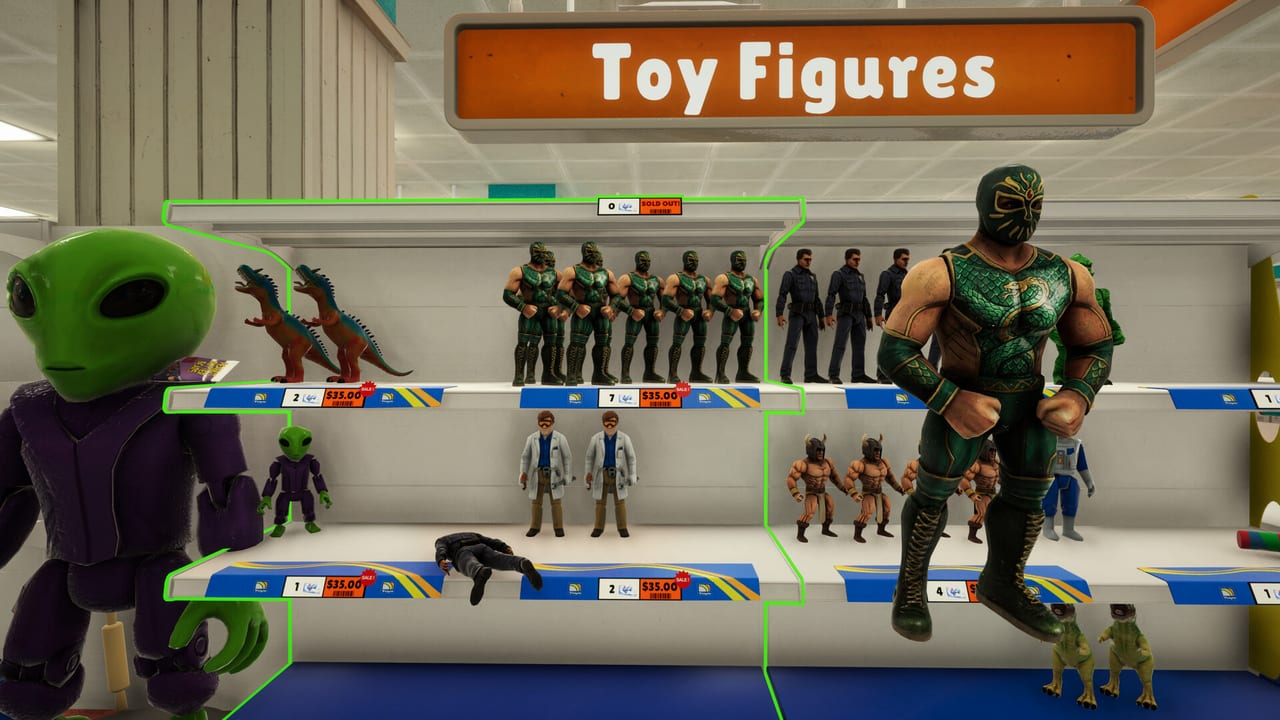
The Megastore contains nine departments across two stories. Each department has a distinct product mix, shelf configuration, and last-item behaviour. This page is the reference for every zone. Use it alongside the Megastore walkthrough for the full route, and the store checklist for session logging.
Yolo Games Studio released the Megastore on Steam for Windows on 2 September 2026. The building holds 13,380 items across 978 shelves. Nine departments are split across two floors, connected by escalators that tend to collect floor piles as the session progresses.
Ground Floor Departments
1. Toy Store (Entrance Zone)
TheMegastore Toy department echoes the standalone Toy Store map but at larger scale. Products include action figures, plushies, board games, puzzles, and seasonal ride-on items. The entrance zone typically receives the most foot traffic from players who are still learning the game, so early-session clutter here is normal. Work this department in the same order as the Toy Store walkthrough: read signs, group matching families, and seat by bay. Hidden items in this zone include the classic yoyo and letter-V foam board.
2. Fresh Produce
Fresh produce sits near the entrance on the ground floor. Products are smaller and more numerous per shelf than toy items. The shelf configuration is tighter, with stacked display cases that require attention to product facing. Long Reach helps reach the back rows without climbing. Stack Capacity matters less here because produce items are compact. Flashlight is useful for reading price tags that may be obscured by leafy displays.
3. Bakery
Bakery occupies a dedicated counter zone with display cases and warming racks. Products are packaged baked goods, bread loaves, and pastry trays. The counter layout means fewer individual shelf facings but more surface area to keep organized. Watch for products that slide during transit; bakery items can shift position when carried at speed. The crate tool is useful here for transporting multiple tray stacks without damaging display arrangements.
4. Checkout Lanes
Three to five checkout lanes sit near the exit, each containing a register, bagging area, and under-counter storage. These lanes accumulate stray items from every other department. Do not prioritize checkout lanes until the last stage of a store sweep. Items here are typically returns or drops from previous customers, not a dedicated product category. Clearing the lanes last prevents recontamination from ongoing floor traffic.
Upper Floor Departments
5. Electronics
Electronics occupies prime upper-floor real estate with display units for small appliances, gaming peripherals, and entertainment tech. Products in this department tend to be higher-value items with distinct packaging. Shelf types differ from grocery or toy sections; some electronics items require the compact tool to carry efficiently because their boxes are irregularly shaped. Long Reach is essential for upper-floor electronics shelving because many display units are positioned at standing height.
6. Clothing and Apparel
Clothing hangrails and folded tables fill the apparel zone. Items include shirts, pants, accessories, and seasonal wear. The shelving challenge here is different from other departments: clothing requires proper hanging orientation and folded alignment rather than simple placement. Products must be facing forward and grouped by size or type. This department often hides last items in pockets or between folded layers. The roller tool is effective for quickly aligning a row of hanging items after restocking.
7. Home Goods
Home goods covers housewares, décor, bedding, and furniture accessories. Products range from small kitchen tools to large picture frames. The size variance is extreme: a spatula sits next to a floor mirror. Stack Capacity helps with small items; Long Reach helps with the tall shelving units. Some home goods products are fragile; carry speed should be moderated when transporting glassware or ceramics. The megaphone is useful in co-op when directing a partner to a specific home goods aisle.
8. Fish and Seafood
The fish counter is a refrigerated zone with display cases and ice beds. Products are packaged seafood, whole fish on ice, and prepared fish dishes. Temperature and condensation affect product visibility. Some packaging is transparent film over ice, which can make product identification difficult. Flashlight helps read labels through condensation. The cold environment also means products contract slightly, which can cause items to shift in transit. Handle with care to avoid cross-contamination between product types.
9. Books and Stationery
Books occupy a dedicated section with shelving units, display tables, and browser seating. Products include hardcover books, paperbacks, notebooks, and office supplies. Book spines must face outward for the shelf to register as organized. The colour-matching system works differently here because book covers vary widely; green highlights still fire for matching series, but the range of visual variation is greater than in toy or grocery sections. Large coffee-table books may require the crate tool for transport.
Cross-Department Notes
Escalator Piles
The escalators connecting floors accumulate dropped items throughout the session. Magnet-style pull is the fastest cleanup tool for escalator zones. Do not attempt to carry escalator items by hand; the gradient makes walking awkward and drops likely. Run magnet pull after every floor lap, not just at the end.
Last Items in Each Department
Department last items follow the same pattern as the overall store: yoyo, letter-V foam board, basketball in a hoop. However, each department also has department-specific hides:
- Bakery: behind warming rack guards
- Electronics: inside display box voids
- Clothing: folded inside pockets
- Home goods: behind larger items on display
Run Unstuck Product when a department has zero remaining on the checklist but the HUD still shows missing items. The hidden items page has the full hunt protocol.
Co-op Department Split
For two-player co-op, assign floors before entering the Megastore. Ground floor team handles toy, produce, bakery, and checkout lanes. Upper floor team handles electronics, clothing, home goods, fish, and books. The co-op roles page has the full staffing protocol. Do not split by department within a single floor; the escalator crossing will waste more time than it saves.
Frequently Asked Questions
Quick answers to the most common questions.
How many departments does the Megastore have?
Nine departments across two floors: Toy, Fresh Produce, Bakery, Checkout (ground), Electronics, Clothing, Home Goods, Fish, and Books (upper).
Which department is the hardest to clear?
Electronics and Home Goods are the most time-consuming due to extreme size variance. Electronics also has irregular packaging that affects carry speed.
When should I clear checkout lanes?
Last. Checkout lanes accumulate stray items from every other department throughout the session. Clearing them too early means re-cleaning them before opening.
How do I handle escalator piles quickly?
Use magnet-style pull after every floor lap. Do not carry items by hand down escalators; the gradient causes drops. Run magnet pull as a dedicated pass, not as part of a general floor sweep.
Which department needs Long Reach most?
Electronics on the upper floor. Display units are positioned at standing height, and Long Reach prevents unnecessary climbing on step stools.
What is the fastest co-op split for the Megastore?
Split by floor, not by department. One player owns ground floor (toy, produce, bakery, checkout). One player owns upper floor (electronics, clothing, home goods, fish, books). See co-op roles.